
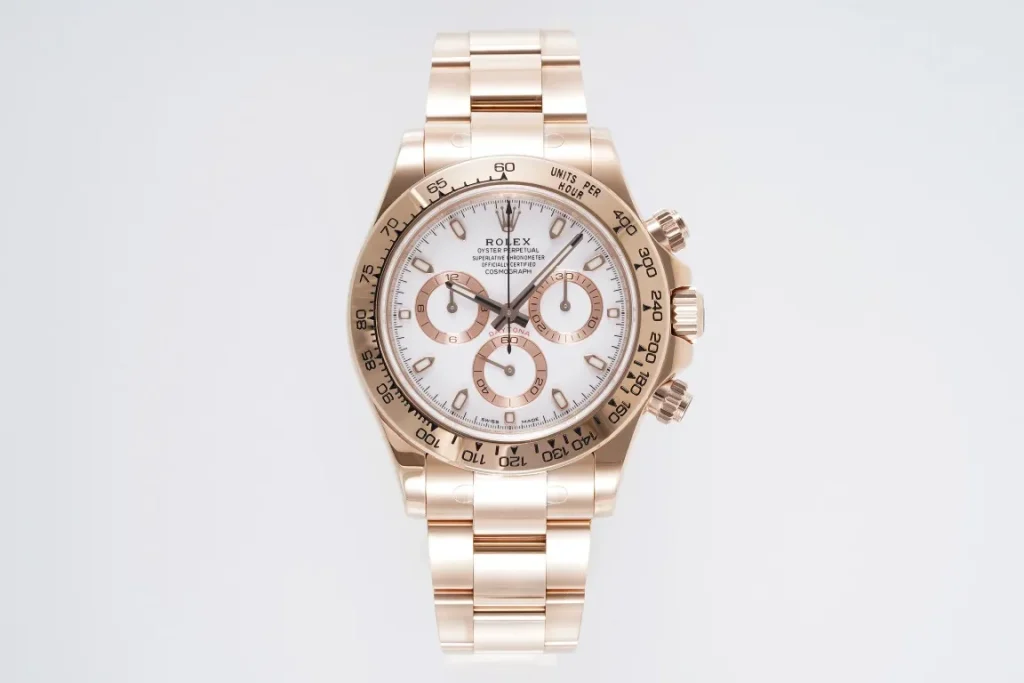
The term “fake watches” is one of the most searched keywords in the luxury watch market, especially as demand for high-end timepieces like Rolex, Cartier, and Patek Philippe continues to grow. Fake watches refer to timepieces designed to imitate luxury brands without authorization, often replicating the appearance of original models at a fraction of the cost.
In today’s global market, fake watches have become increasingly sophisticated. Unlike earlier generations of low-quality imitations, modern versions often include improved materials, better weight balance, and more detailed dial finishing. However, there is still a significant gap between genuine luxury watches and replicas in terms of movement quality, craftsmanship, and long-term durability.
Types of Fake Watches in the Market
Fake watches can generally be divided into several categories:
1. Low-quality counterfeit watches
These are mass-produced with cheap materials such as lightweight alloys and plastic components. The finishing is usually rough, and the movement is unreliable.
2. Mid-tier replica watches
These versions focus more on visual similarity. They often imitate dial design, logo placement, and case shape more accurately, but still use basic automatic or quartz movements.
3. High-grade replica watches
These are the most advanced versions, often designed to closely resemble luxury models in weight, finishing, and external detailing. While they may look similar externally, they still do not match the engineering precision of authentic Swiss watches.
Why Fake Watches Are So Popular
There are several reasons behind the global demand:
- Rising luxury watch prices
- Limited availability of popular models
- Social media influence and fashion trends
- Desire for luxury aesthetics at lower cost
At the same time, buyers should understand that fake watches do not hold resale value and are not recognized by official brands or service centers.
Final Thoughts
The fake watches market continues to evolve, but understanding the differences in quality levels helps buyers make more informed decisions and set realistic expectations.