
Quick Answer
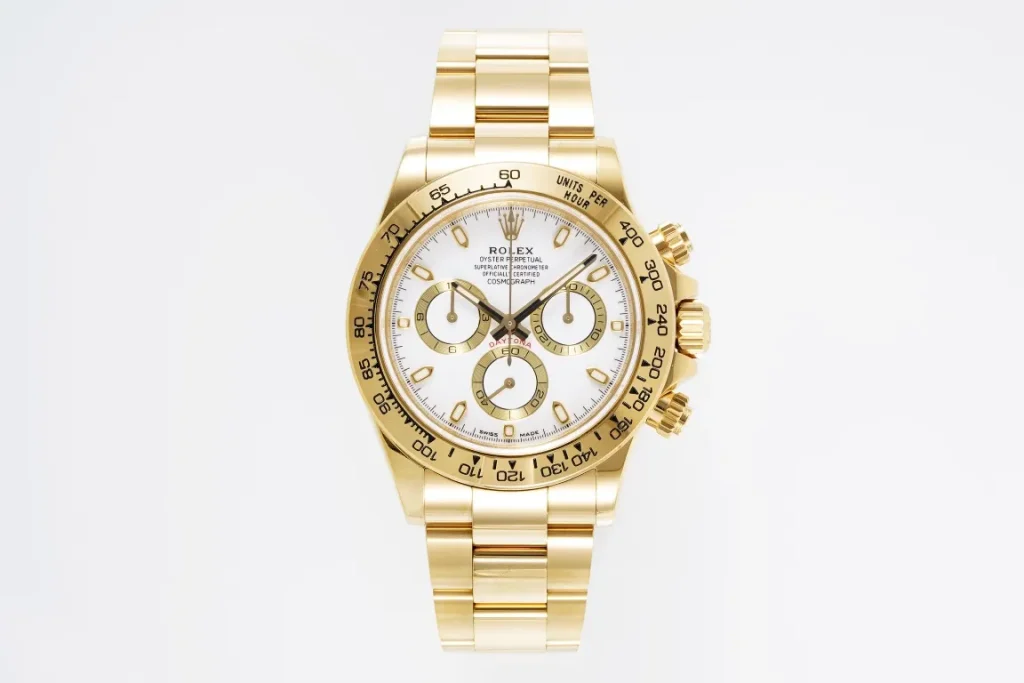
Rolex, Omega, and Patek Philippe represent three different approaches to luxury watchmaking. Rolex is known for durability, reliability, and iconic everyday designs. Omega focuses on technical innovation, precision, and professional applications such as space and diving. Patek Philippe represents traditional haute horlogerie, exceptional craftsmanship, and collector-level watchmaking. The best choice depends on whether you prioritize daily performance, technological innovation, or long-term collecting value.
How We Evaluate Luxury Watch Brands
Comparing luxury watch brands requires more than looking at price or popularity. A professional evaluation should consider several key factors:
- Brand heritage: Historical influence and contribution to watchmaking.
- Movement technology: Mechanical innovation, reliability, and finishing quality.
- Design identity: Whether the brand has recognizable and timeless designs.
- Durability and daily usability: Suitability for everyday wear.
- Craftsmanship level: Hand-finishing, complications, and manufacturing techniques.
- Collection value: Long-term interest among enthusiasts and collectors.
- Maintenance and ownership experience: Service availability and long-term practicality.
- Market positioning: Whether the brand focuses on professional watches, luxury lifestyle, or collector pieces.
Rolex vs Omega vs Patek Philippe: Full Comparison Table
| Comparison Factor | Rolex | Omega | Patek Philippe |
|---|---|---|---|
| Main Positioning | Luxury sports and everyday watches | Technical innovation and professional watches | Haute horlogerie and collector watches |
| Brand History | Strong heritage in tool watches and luxury sports models | Known for precision, space exploration, and diving watches | One of the highest levels of traditional watchmaking |
| Design Style | Iconic, recognizable, timeless | Sporty, technical, versatile | Elegant, sophisticated, artistic |
| Movement Focus | Reliability and robustness | Innovation, precision, advanced technology | Complications and handcrafted finishing |
| Daily Wear Ability | Excellent for everyday use | Excellent for sports and professional use | More suited to careful ownership |
| Best Known Collections | Professional dive, travel, and classic models | Diving, racing, aviation, and classic collections | Complicated watches and refined dress pieces |
| Collector Appeal | Strong global demand | Strong technical appreciation | Extremely high collector interest |
| Maintenance Consideration | Professional service network | Professional service network | Requires specialized expertise |
1. Rolex: The Benchmark for Durable Luxury Watches
Rolex has become one of the most recognizable names in luxury watches because it combines reliability, strong design identity, and everyday usability. The brand’s philosophy has always focused on creating watches that can perform in demanding environments while maintaining a premium appearance.
One of Rolex’s biggest strengths is consistency. Many of its designs have remained popular for decades because they balance practicality and timeless style. Professional models designed for diving, aviation, and exploration have become symbols of durability, while classic models are widely chosen for business and formal occasions.
Rolex watches are also appreciated for their robust construction. Features such as strong cases, reliable automatic movements, and carefully engineered bracelets contribute to their reputation as dependable long-term watches.
The limitation of Rolex is that its popularity makes some models highly sought after and difficult to obtain through traditional channels. Additionally, buyers looking for highly artistic finishing or complicated mechanical functions may prefer brands focused more heavily on haute horlogerie.
Rolex is best suited for buyers who want one luxury watch that can handle daily life while maintaining strong recognition and long-term appeal.
Best for:
- Everyday luxury wear
- Business professionals
- First luxury watch buyers
- People who value reliability and iconic design
2. Omega: The Choice for Technical Innovation and Professional Performance
Omega has built its reputation around precision, exploration, and engineering achievements. The brand has a long history connected with professional fields, including space exploration, ocean exploration, and precision timing.
The biggest advantage of Omega is its focus on technical development. Many of its watches incorporate advanced movement technology, strong magnetic resistance, and professional-grade performance features. This makes Omega popular among people who appreciate engineering and practical innovation.
Omega also offers a wide variety of designs. Its collections include sporty diving watches, aviation-inspired models, racing watches, and elegant everyday pieces. This diversity allows buyers to find watches suitable for different lifestyles.
Compared with Rolex, Omega often appeals more to enthusiasts who appreciate technical details and historical achievements rather than only brand recognition.
The limitation is that some buyers view Omega’s market positioning differently from Rolex or Patek Philippe. While highly respected among watch enthusiasts, its value perception depends more heavily on the individual model and technical features.
Omega is ideal for buyers who want advanced watch technology combined with strong heritage and practical performance.
Best for:
- Technology-focused buyers
- Sports and outdoor lifestyles
- Watch enthusiasts
- People interested in watch history
3. Patek Philippe: Traditional Craftsmanship and Collector-Level Watchmaking
Patek Philippe represents one of the highest levels of traditional mechanical watchmaking. Unlike brands focused primarily on daily durability or professional functions, Patek Philippe emphasizes craftsmanship, complexity, and artistic finishing.
The brand is especially recognized for complicated mechanical watches, including functions such as perpetual calendars, minute repeaters, and advanced chronograph mechanisms. Creating these watches requires exceptional skill and extensive manual work.
One of Patek Philippe’s strongest advantages is its collector appeal. Many enthusiasts value the brand because of its history, limited production, and dedication to traditional watchmaking techniques. Ownership is often viewed as a long-term relationship with a piece of mechanical art.
However, Patek Philippe watches are not designed primarily as rugged daily tools. Their complexity and finishing require careful handling, regular professional maintenance, and a deeper understanding of mechanical watches.
Patek Philippe is best suited for experienced collectors and buyers who appreciate craftsmanship beyond everyday practicality.
Best for:
- Serious collectors
- Luxury watch enthusiasts
- Buyers interested in craftsmanship
- Long-term ownership
Choosing a Luxury Watch by Your Lifestyle
If You Need One Watch for Everyday Use
If you want a luxury watch that works for business, travel, and daily activities, choose a Rolex-style approach.
Focus on:
- Strong durability
- Versatile design
- Comfortable bracelet
- Reliable movement
A practical luxury watch should fit naturally into your daily routine.
If You Prefer Technology and Performance
If you enjoy engineering, innovation, and professional watch functions, choose an Omega-style approach.
Focus on:
- Movement technology
- Magnetic resistance
- Professional features
- Technical history
A performance-focused watch provides both functionality and personality.
If You Want a Collector Piece
If your goal is ownership experience and long-term appreciation, choose a Patek Philippe-style approach.
Focus on:
- Movement craftsmanship
- Limited production
- Historical importance
- Complications
A collector watch should represent mechanical artistry and personal passion.
FAQ: Common Questions About Rolex, Omega and Patek Philippe
1. Is Rolex better than Omega?
Neither brand is universally better. Rolex focuses strongly on durability, recognition, and everyday luxury, while Omega emphasizes technical innovation and professional performance.
2. Why is Patek Philippe more expensive than Rolex and Omega?
Patek Philippe watches often involve more complicated movements, extensive hand-finishing, lower production volumes, and traditional watchmaking techniques.
3. Which luxury watch brand is best for beginners?
For many first-time luxury watch buyers, a reliable and versatile design is usually the best starting point. The ideal choice depends on lifestyle, budget, and personal taste.
4. Which brand has the strongest collector value?
Collector value depends on the specific model, condition, rarity, history, and market demand. Certain models from all three brands can become highly desirable among enthusiasts.
5. Should I buy a famous model or a watch I personally like?
Personal preference should always be a major factor. A watch is worn regularly, so comfort, design, and emotional connection are just as important as reputation.
You Should Choose Based on Your Priorities
- If you want durability, recognition, and everyday versatility, choose Rolex.
- If you want technical innovation and professional performance, choose Omega.
- If you want traditional craftsmanship and collector appeal, choose Patek Philippe.
- If you want the best long-term experience, choose the watch that matches your lifestyle and personal taste.
Luxury watches are not only about brand names. They represent different philosophies of design, engineering, and craftsmanship. Understanding these differences helps you make a more informed decision.
If you need help comparing watch styles, movements, or selecting a model based on your lifestyle, share your preferred use scenario and priorities for a personalized buying guide.