
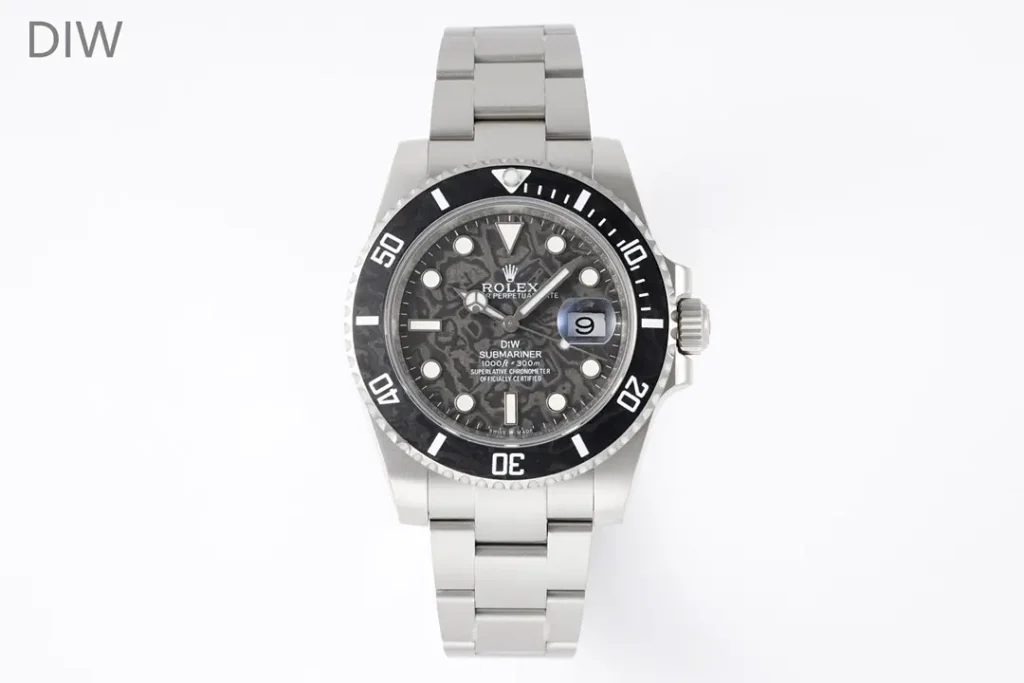
A luxury watch is more than a device for measuring time. It represents the combination of engineering, design philosophy, material innovation, and decades of watchmaking tradition.
When evaluating a high-end timepiece, experienced enthusiasts rarely focus on appearance alone. They analyze the elements that create the complete wearing experience:
- Case construction
- Material quality
- Dial finishing
- Movement design
- Bracelet or strap craftsmanship
- Overall balance on the wrist
These details explain why certain watches remain influential for generations.
For collectors and enthusiasts exploring luxury replica watches, understanding these fundamentals provides valuable insight into what makes iconic timepieces visually and technically appealing.
1. Watch Case Materials: The Foundation of Design and Durability
The case is the first element that defines a watch’s personality.
Different materials create completely different impressions, from sporty durability to elegant sophistication.
Stainless Steel: The Classic Choice for Everyday Luxury
Stainless steel remains one of the most widely used materials in luxury watches because of its balance between strength and appearance.
Advantages include:
- High durability
- Corrosion resistance
- Comfortable weight
- Polished and brushed finishing possibilities
Many iconic watches from brands such as Rolex and Omega rely on stainless steel because it provides versatility for both daily wear and formal occasions.
Models inspired by this style, including many rolex replica watches, often focus heavily on accurate case proportions and finishing details.
Ceramic: Modern Technology Meets Luxury Design
Ceramic has become increasingly popular in contemporary watchmaking.
Its advantages include:
- Excellent scratch resistance
- Lightweight feel
- Stable color appearance
- Modern aesthetic
Brands such as Omega, Hublot, and other luxury manufacturers use ceramic components to create watches with a more technical appearance.
Titanium: Lightweight Performance
Titanium is especially valued in sports-oriented watches.
Its characteristics include:
- Extremely lightweight construction
- Strong durability
- Comfortable long-term wear
This material is often associated with advanced engineering and high-performance timepieces.
Gold and Precious Materials: Traditional Luxury Expression
Gold remains one of the strongest symbols of traditional watchmaking.
Luxury watches may feature:
- Yellow gold
- Rose gold
- White gold finishes
These materials create a distinctive presence and are often associated with formal and collector-focused models.
2. Sapphire Crystal: The Importance of Clarity and Protection
The crystal covering the dial plays a major role in both appearance and durability.
High-end watches commonly use sapphire crystal because of its:
- Exceptional transparency
- Scratch resistance
- Long-lasting clarity
A quality crystal enhances the viewing experience by allowing the dial details, markers, and hands to remain clearly visible.
For enthusiasts comparing replica rolex watches, crystal quality is often one of the important visual factors considered.
3. Dial Design: Where Art Meets Engineering
The dial is often considered the visual center of a watch.
A well-designed dial requires precise balance between:
- Hour markers
- Hands
- Logo placement
- Date windows
- Sub-dials
The Importance of Proportion
Luxury watch designers carefully calculate spacing and alignment.
Small differences in:
- Marker size
- Hand length
- Color contrast
can significantly affect the overall appearance.
Finishing Techniques
Premium dials may feature:
- Sunburst patterns
- Textured surfaces
- Applied indexes
- Layered depth effects
These details create visual complexity when light interacts with the surface.
4. Watch Movements: The Heart of a Timepiece
The movement is one of the most important technical components of any watch.
There are two major categories:
Automatic Movements
Automatic movements use mechanical energy generated through wrist movement.
Characteristics:
- Traditional watchmaking appeal
- Complex engineering
- Smooth seconds-hand movement
They are highly appreciated by collectors who enjoy mechanical craftsmanship.
Quartz Movements
Quartz movements use electronic regulation for time accuracy.
Advantages include:
- High precision
- Low maintenance
- Reliability
Both movement types have their own advantages depending on the purpose of the watch.
5. Bracelet and Strap Craftsmanship
A watch bracelet is not simply an accessory—it contributes significantly to comfort and design identity.
Metal Bracelets
Important qualities include:
- Smooth articulation
- Balanced weight distribution
- Comfortable clasp operation
A well-designed bracelet should feel natural on the wrist.
Leather Straps
Leather creates a more traditional and elegant appearance.
Quality depends on:
- Texture
- Flexibility
- Stitching
- Edge finishing
Rubber Straps
Often used in sports watches, rubber straps provide:
- Water resistance
- Durability
- Comfortable flexibility
They are common in modern collections from brands such as Hublot and Richard Mille.
6. Finishing Details: The Difference Between Ordinary and Exceptional
Luxury watch quality is often revealed through finishing.
Important techniques include:
Polishing
Creates smooth reflective surfaces.
Brushing
Produces a controlled matte texture.
Engraving
Adds decorative and functional details.
Edge Finishing
Ensures transitions between different surfaces appear clean and refined.
These small elements contribute greatly to the overall impression of a watch.
7. How Different Brands Express Luxury Through Design
Every luxury watch brand has its own design philosophy.
Rolex: Precision and Timeless Recognition
Rolex focuses on:
- Strong proportions
- Functional reliability
- Instantly recognizable designs
Collections such as Submariner, Daytona, and Datejust represent different interpretations of professional and everyday luxury.
Omega: Innovation and Exploration
Omega combines:
- Technical development
- Sports heritage
- Space and diving history
Popular collections such as Seamaster and Speedmaster demonstrate the connection between performance and design.
Cartier: Elegance and Artistic Identity
Cartier approaches watchmaking from a design perspective.
Its famous characteristics include:
- Unique case shapes
- Elegant proportions
- Refined aesthetics
Patek Philippe: Traditional Haute Horlogerie
Patek Philippe represents classic watchmaking excellence through:
- Complicated movements
- Elegant design
- Collector-focused craftsmanship
8. Why Understanding Watch Craftsmanship Matters
Modern watch buyers increasingly look beyond brand names.
They want to understand:
- Why certain designs become iconic
- How materials influence quality
- What creates long-term appeal
This knowledge helps enthusiasts better appreciate categories such as:
- super clone watches
- replica watches
- rolex replica
- patek philippe replica
- cartier replica
Future Trends in Luxury Watch Design
The future of watchmaking continues evolving around three major directions:
Advanced Materials
Manufacturers continue exploring:
- Ceramic
- Titanium
- Carbon composites
to improve performance and comfort.
Heritage-Inspired Designs
Classic models continue influencing modern collections because timeless proportions remain attractive.
Personalized Luxury
Consumers increasingly choose watches that represent individual lifestyle and personality.
Conclusion: The True Value Behind Luxury Watches
A remarkable watch is created through the combination of design, engineering, materials, and craftsmanship.
The case creates the identity.
The dial creates the character.
The movement creates the performance.
The finishing creates the final impression.
Understanding these elements allows enthusiasts to appreciate luxury watches from a deeper perspective.
Whether exploring traditional Swiss-inspired designs or researching luxury replica watches, knowledge of craftsmanship helps reveal why certain timepieces continue influencing generations of watch lovers.